
African Youth in Global Policy Spaces: What the 2026 ECOSOC Youth Forum Reveals About Inclusion and Influence
While the increasing participation of African and diaspora youth reflects their growing presence in international development, it also prompts essential questions regarding how inclusion functions within formal governance and whether participation translates into genuine decision-making power.
Adeife Adeyeye
4/27/20262 min read
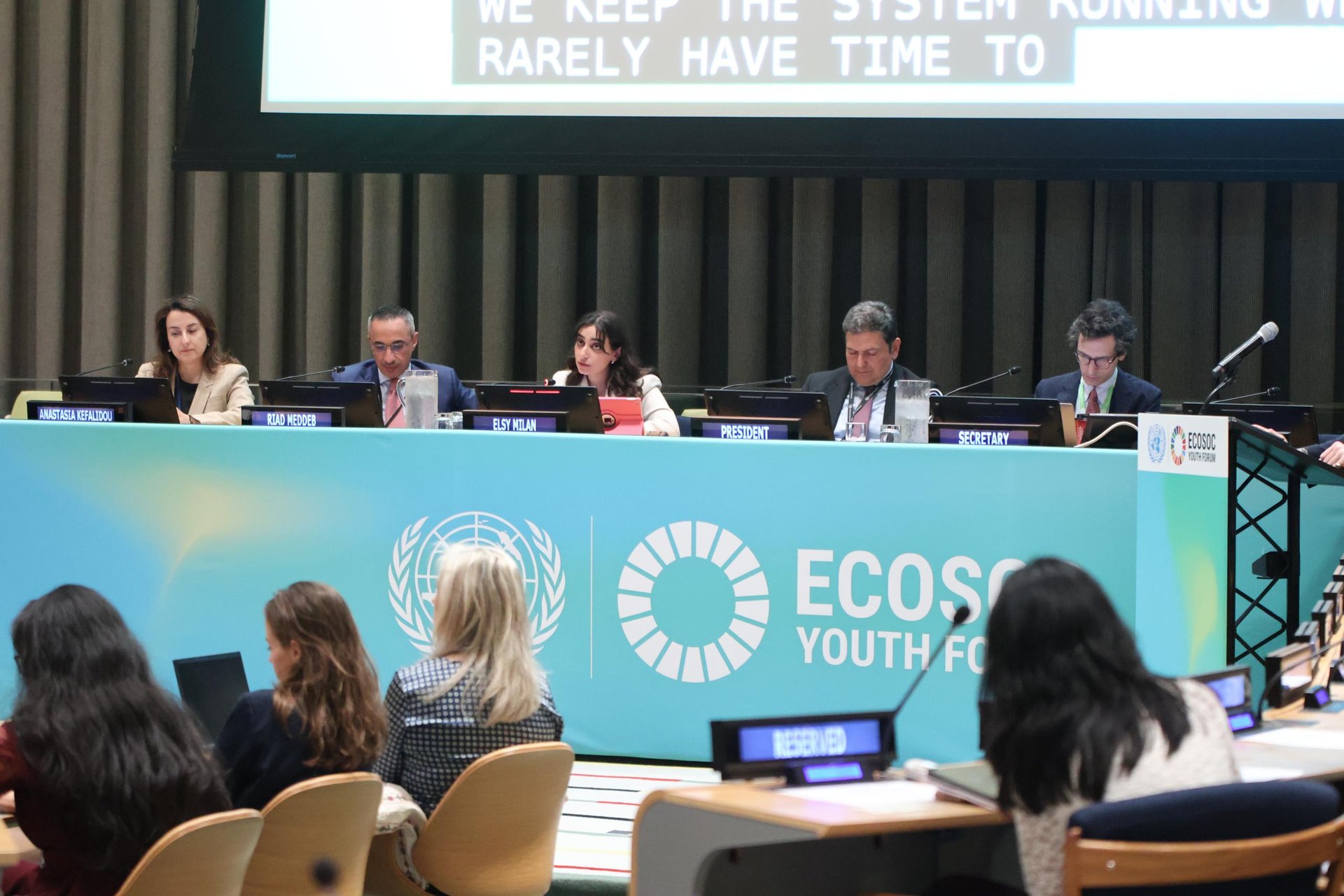
The 2026 ECOSOC Youth Forum, held at the United Nations Headquarters in New York, convened young leaders from across the globe to engage in structured dialogue on development priorities under the Sustainable Development Goals (SDGs).
As a pillar of the United Nations' youth engagement strategy, the forum facilitates policy discussions on critical issues such as employment, education, climate action, and governance.
While the increasing participation of African and diaspora youth reflects their growing presence in international development, it also prompts essential questions regarding how inclusion functions within formal governance and whether participation translates into genuine decision-making power.
Understanding the ECOSOC Youth Forum
The ECOSOC Youth Forum is an annual platform established by the UN Economic and Social Council to provide young people with a formal channel to contribute perspectives on the implementation of the 2030 Agenda for Sustainable Development.
Discussions typically focus on key development areas, including:
Youth employment and economic opportunity
Education systems and skills development
Climate change and environmental sustainability
Civic participation and governance structures
Strengthening youth engagement in SDG implementation
The forum operates as a consultative space, where youth voices are collected, documented, and integrated into broader UN discussions on sustainable development.
African Youth and Diaspora Participation
African youth represent one of the most significant demographics in global development conversations. Their engagement at ECOSOC is facilitated through several key channels:
National youth delegations
United Nations youth networks
Civil society and youth-led organizations
Diaspora-based advocacy and development groups
For diaspora youth, engagement is often indirect but significant, contributing through international youth networks and development-focused organizations that interface with UN systems.
This multi-layered approach highlights the complexity of representation in global governance, where influence is distributed across various institutional networks rather than centralized in a single body.
Participation vs Decision-Making
While the ECOSOC Youth Forum provides a platform for youth engagement, it is important to distinguish between participation and decision-making authority.
The forum operates as a consultative mechanism where youth perspectives are documented and shared with policymakers. However, formal policy authority remains with Member States and established institutional bodies.
This distinction is central to understanding how global governance systems operate:
Youth are increasingly included in dialogue processes
But implementation and policy authority remain institutionally controlled
Consequently, youth engagement currently exists within a framework of consultation rather than direct governance authority.
Why This Matters for African Youth and the Diaspora
The value of youth participation in global policy extends beyond mere visibility; it is about understanding how these systems prioritize and shape development agendas.
For African youth and those in the diaspora, this matters because it affects:
How youth issues are prioritized in global development agendas
How governments interpret and respond to youth needs
How diaspora perspectives are integrated into international policy discussions
How future youth-focused programs and funding mechanisms are designed
By navigating the structure of these platforms, young people can better identify where influence resides and where structural limitations still need to be addressed.
Conclusion
The 2026 ECOSOC Youth Forum underscores a continuing global trend toward greater youth inclusion in high-level development discussions.
For African youth and members of the diaspora, the forum represents both an opportunity for engagement and a reminder of the structural boundaries that exist within global governance systems.
As participation expands across international platforms, the critical challenge remains ensuring that youth contributions are effectively integrated into measurable policy outcomes.
CITATION BLOCK
United Nations Department of Economic and Social Affairs (UN DESA)
ECOSOC Youth Forum 2026 – Official Events and Programme Overview.
https://ecosoc.un.org/en/events/2026/youth-forum
United Nations.
Youth Engagement at the ECOSOC Youth Forum 2026: SDG Media Zone Coverage.
https://www.un.org/sustainabledevelopment/blog/2026/04/ecosoc-youth-forum-2026-sdg-media-zone/
United Nations Economic and Social Council (ECOSOC).
Youth Participation in Sustainable Development Processes.
Stay Connected
Contact
African Diaspora Youth Hub
Fiscally Sponsored by Ghana Diaspora Public Affairs Collective (GHPAC)
1629 K ST NW SUITE 300WASHINGTON DC 20006
© 2025. All rights reserved.