
Why New U.S. Health Deals With African Governments Are Sparking Debate
The "America First" deals are reshaping regional healthcare structures, prompting discussions on long-term implications for African policy autonomy.
Adeife Adeyeye and Felix Munyika
3/9/20264 min read
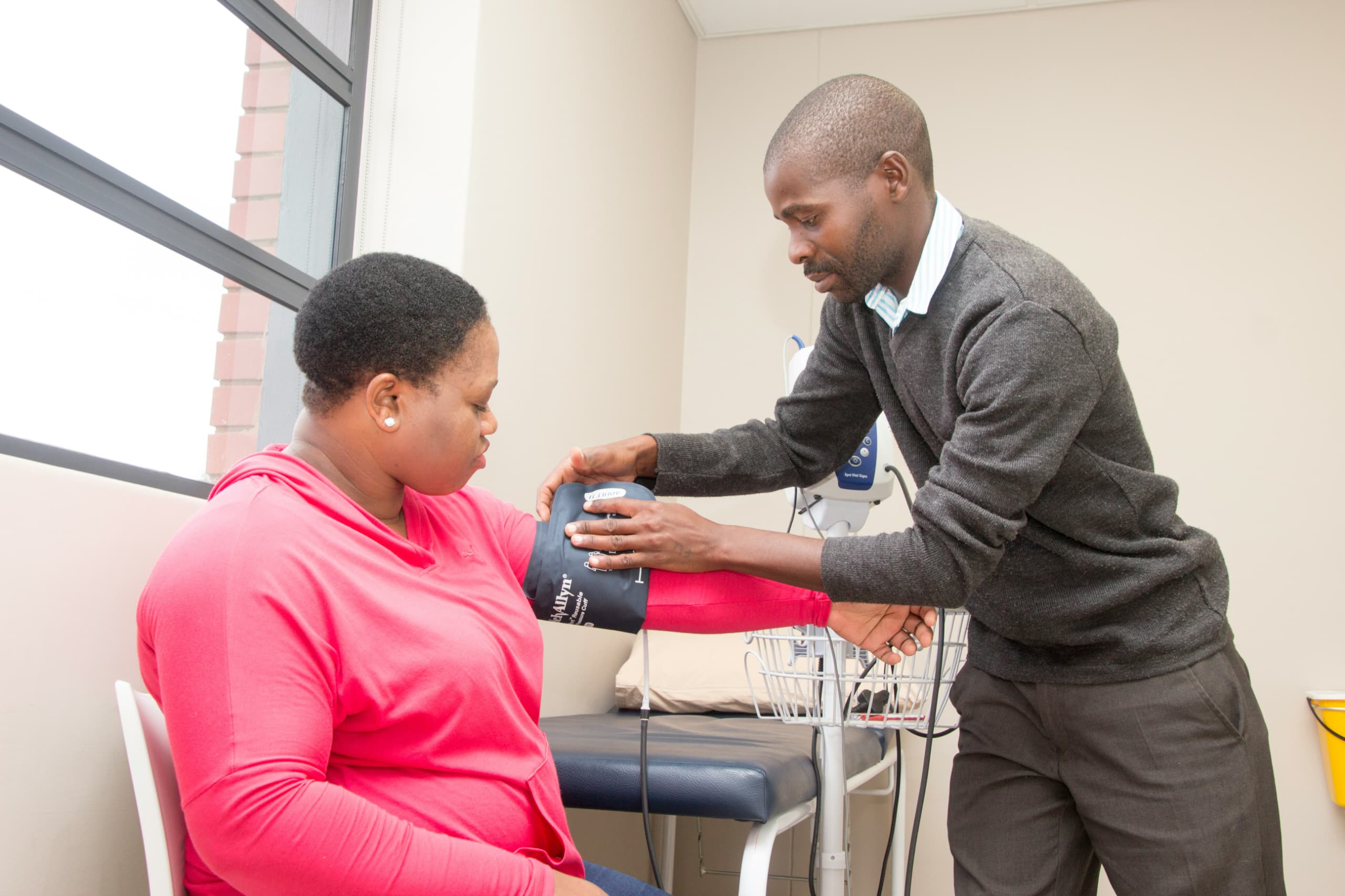
Imagine your aunt back home finally getting consistent access to HIV treatment… but the clinic funding depends on a deal that can change with politics and comes with strings attached on data, budgets, and even minerals. That’s the debate happening right now for African governments and for the African diaspora watching from abroad.
Under President Trump’s “America First” approach, the U.S. is rolling out new country‑by‑country health funding agreements with African governments. At least 17 African countries have signed so far, including Kenya, Rwanda, Liberia, Uganda, Lesotho, Eswatini, Mozambique, Cameroon, Nigeria, Madagascar, Sierra Leone, Botswana, Ethiopia, Côte d’Ivoire, Burkina Faso, Niger and the Democratic Republic of the Congo. These deals promise billions for HIV, malaria, TB, maternal health, and health systems. Still, they also lock countries into new co‑financing and health‑data obligations that many see as reshaping sovereignty and equity in African health.
So what’s actually new about these agreements? First, they are multi‑year packages that bundle funding for HIV, malaria, TB, maternal health, health workers and outbreak preparedness into a single deal. Instead of money being spread through many different global health channels, large chunks are tied to one bilateral agreement between Washington and a specific government. Second, African countries are required to increase their own health spending over time and hit certain targets. On paper, this sounds positive, governments investing more in their own people’s health. In practice, for cash‑strapped countries already juggling debt, education, jobs and infrastructure, it could mean painful trade‑offs that citizens never see debated openly.
The most sensitive shift is around information and control. Some of these agreements include clauses on health data and pathogen sharing. That means countries may be expected to share disease samples and detailed health data quickly with U.S. agencies when new threats appear. In theory, this helps the world respond faster to outbreaks and develop vaccines and treatments. But African health leaders, including those at Africa CDC, have raised strong concerns. They worry that countries could hand over valuable data and samples without clear guarantees that they will later get affordable, timely access to the vaccines, medicines or technologies created from those resources. It risks repeating a familiar pattern from past pandemics: Africa provides the raw material, others control the products.
This is why some governments are slowing down or pushing back. Zimbabwe paused its negotiations, warning that the proposed deal felt too one‑sided and raised issues of sovereignty and fairness. Zambia has delayed signing while it reviews disputed clauses, including those linked to data sharing. In Kenya, the agreement has even been challenged in court, with critics questioning both the transparency of the process and the protections around health data. These aren’t small symbolic gestures; they show that African institutions and citizens are not automatically accepting the terms simply because money is on the table.
For ordinary people, though, the situation is complicated. On one hand, these deals can literally keep clinics open, pay nurses, stock HIV and malaria drugs, and strengthen labs and surveillance systems. For families depending on public health services, that matters more than any diplomatic statement. On the other hand, the same agreements can shape who sets priorities, who owns health information, and who holds power in future crises. If funding can be paused or withdrawn over political disagreements or missed targets, communities could find themselves caught in a tug‑of‑war far beyond their control.
This is where the African diaspora, especially young people, comes in. Diaspora youth often sit at a powerful crossroads: connected to home through family and culture, but also plugged into global media, universities, professional networks, and advocacy spaces. These deals may sound technical and distant, but they are directly connected to whether your cousins can get ARVs without interruption, whether your home district has a functioning maternity ward, and whether your country’s scientists are respected partners or just sample providers in global research.
For diaspora youth, there are three key reasons to care. First, these agreements shape health outcomes on the ground. When co‑financing obligations force a government to shift money around, it can affect everything from rural clinics to vaccination campaigns. Second, they raise deep questions about data dignity, who controls Africans’ health information and biological material, and whether communities consent to how these are used. Third, they signal a bigger shift in how global health power works. Moving from broad, multilateral programmes to tight bilateral deals can give a single foreign government more leverage over what happens in African health systems over the next five to ten years.
So what should we be watching? Start with which countries sign quickly and which hesitate, pause, or reject. Notice when courts, parliaments, or civil society groups step in to demand more transparency, as in Kenya. Pay attention to whether any agreements are revised, especially around data and pathogen sharing, to include stronger protections and clearer benefits for African countries. And follow how governments actually budget their promised domestic contributions: are they genuinely investing more in public health, or just reshuffling limited funds under pressure?
For the African Diaspora Youth Hub community, this is not about being “for” or “against” all U.S. health funding. It’s about asking better questions: Who wins? Who decides? Who is protected when things go wrong? As these deals expand, diaspora youth can help translate complex documents into plain language, amplify African experts and civil society voices, and build campaigns that push for health partnerships based on fairness, consent, and shared benefit, not desperation and imbalance.
Because at the end of the day, the real issue isn’t just how much money is being promised. It’s whether your aunt’s right to care and your community’s right to control its own health future are strengthened or weakened by the deals signed in your country’s name.
Sources:
The Africa Report – "Some African governments are refusing Trump's 'America First' health deals. Here's why." https://www.theafricareport.com/410491/some-african-governments-are-refusing-trumps-america-first-health-deals-heres-why/
Business Insider Africa – "FULL LIST: African countries that signed Trump's controversial health deals." https://africa.businessinsider.com/local/markets/full-list-african-countries-that-signed-trumps-controversial-health-deals/zfqep9r
The Guardian – "Rising anger over 'lop-sided' and 'immoral' US health funding pacts with African countries." https://www.theguardian.com/global-development/2026/feb/27/rising-anger-over-lop-sided-immoral-us-health-funding-pacts-africa-countries
BBC News – "Zimbabwe rejects US health deal over sensitive data concerns." https://www.bbc.com/news/articles/cwy6nd3664no
Stay Connected
Contact
African Diaspora Youth Hub
Fiscally Sponsored by Ghana Diaspora Public Affairs Collective (GHPAC)
1629 K ST NW SUITE 300WASHINGTON DC 20006
© 2025. All rights reserved.