
Trump’s 2026 State of the Union: What African Diaspora Youth Should Be Paying Attention To
An analysis of President Trump’s 2026 State of the Union address and its potential impact on the economic and social future of African diaspora youth.
Adeife Adeyeye
3/2/20263 min read
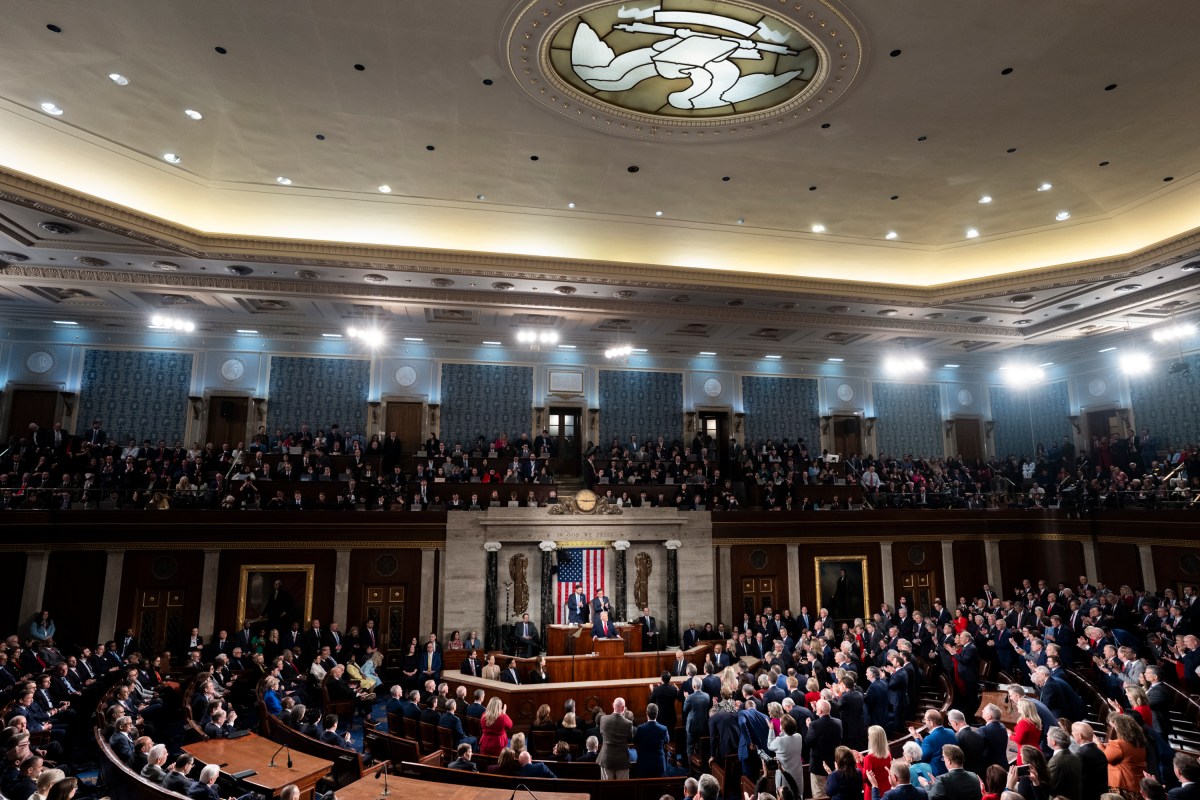
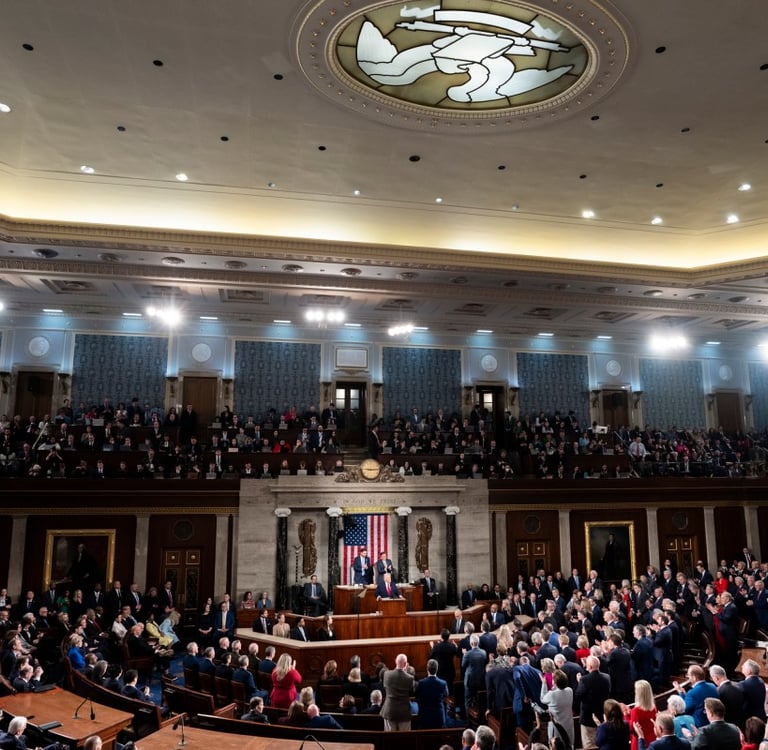
President Donald Trump delivered his 2026 State of the Union address to a joint session of Congress, marking the first State of the Union of his second term. The speech served as both a progress report and a roadmap for the next three years.
He framed America as entering what he called a “golden age,” arguing that his administration had reversed economic decline, restored border security, strengthened the military and reduced inflation. The address heavily emphasized economic recovery, immigration enforcement, tariffs, and national security.
According to coverage from CNN and other major outlets, the speech reinforced a clear agenda heading into the midterm election cycle: economic nationalism, aggressive immigration policy, and a restructuring of America’s global posture.
But for African diaspora youth in the United States, this speech was more than political theatre. It outlined policy directions that could shape opportunity, mobility, identity and security for the next three years.
5 Key Policy Signals (Through a Diaspora Lens)
1. The Economy: Growth, Inflation and Opportunity
Trump claimed inflation had dropped significantly and highlighted:
Falling gas prices
Lower mortgage rates
Record stock market highs
Expanded oil production
Job creation in construction and energy
If economic growth stabilizes as projected, diaspora youth may see:
Expanded job markets in infrastructure, energy, and tech manufacturing
Potential relief in cost of living pressures
More small business formation opportunities
However, economic gains are rarely distributed evenly. African and Black immigrant communities historically face disparities in wage access, credit systems and venture capital funding. Economic growth does not automatically mean economic inclusion.
What to watch: Will economic policies include targeted support for minority entrepreneurs, student debt relief, or workforce access programs? Or will growth remain broad but uneven?
2. Immigration Enforcement: A Defining Issue
Immigration enforcement was central to the speech. Trump argued that border security had been restored and signaled continued crackdowns on undocumented migration.
For African diaspora youth, this is critical because immigration rhetoric often translates into:
Stricter visa enforcement
Heightened scrutiny of asylum claims
Changes in work authorization policies
Increased deportation operations
Even youth who are U.S. citizens may feel indirect effects:
Family members affected by visa policy changes
Community fear and legal uncertainty
Slower processing for green cards or family reunification
Why this matters: Immigration policy is not abstract — it shapes who can enter, who can stay, and who can build stability in the U.S.
3. Tariffs and Trade: Hidden Impacts on Diaspora Communities
Trump criticized court rulings limiting his tariff approach and signaled a renewed push toward trade protectionism. He suggested tariffs could eventually reduce reliance on income taxes.
For diaspora youth, trade policy may seem distant but it directly affects:
Consumer prices on imported goods
International remittance flows
U.S to Africa trade partnerships
Job markets tied to global supply chains
If tariffs increase tensions with global trading partners, African economies tied to U.S. markets could feel ripple effects — which then affect families back home.
4. Foreign Policy and Security: U.S to Africa Relations in Focus
Trump emphasized restoring U.S. dominance and strengthening national security. Foreign policy direction affects:
Military engagement abroad
U.S. partnerships across Africa
Student visa policies
International mobility
For diaspora youth who maintain strong transnational ties, shifts in U.S to Africa policy can influence:
Educational exchange programs
Foreign aid structures
Development funding
Business investment flows
A more security-focused foreign policy may reduce emphasis on development or climate partnerships — areas that matter deeply to African nations.
5. Cultural and Institutional Shifts: DEI and Federal Priorities
Though not the dominant theme, signals around scaling back Diversity, Equity, and Inclusion (DEI) initiatives are significant.
For African diaspora youth in:
Universities
Federal contracting spaces
Public institutions
Corporate America
DEI policy shifts can influence access to scholarships, hiring pipelines, and representation initiatives.
This is not just about politics, it’s about access to opportunity structures.
Final Thought…
When a president says, “The state of our union is strong,” the real question for diaspora youth is:
Strong for whom? Stable for whom? Expanding opportunity for whom?
The next three years will not just define American politics, they will shape the lived realities of African diaspora youth navigating identity, ambition and belonging in the United States.
And this is exactly why paying attention matters.
Sources:
https://www.cnn.com/politics/live-news/trump-state-of-the-union-2026
https://www.youtube.com/live/i7tC7NRWWow?si=7fjslghvInT6Rtf5
https://www.nytimes.com/live/2026/02/24/us/trump-news-updates
Stay Connected
Contact
African Diaspora Youth Hub
Fiscally Sponsored by Ghana Diaspora Public Affairs Collective (GHPAC)
1629 K ST NW SUITE 300WASHINGTON DC 20006
© 2025. All rights reserved.