
The Race for the Next UN Secretary-General: Why African Youth Can’t Afford to Look Away
The campaign to succeed António Guterres as United Nations Secretary-General is shaping up to be much more than a political power play in New York. As the race heats up in 2026, young people, especially within Africa and the global diaspora, need to pay close attention.
Felix Munyika
3/17/20265 min read
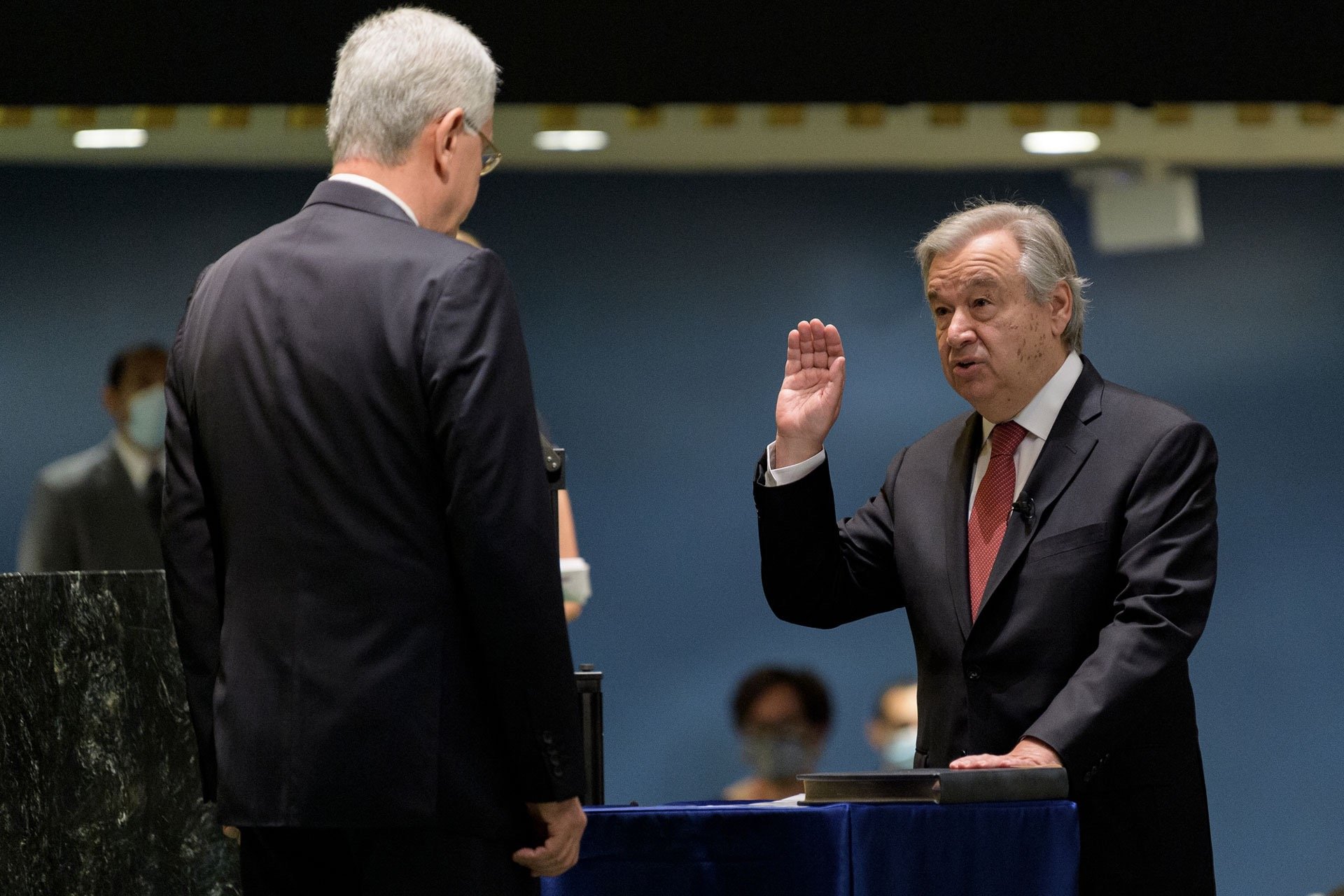
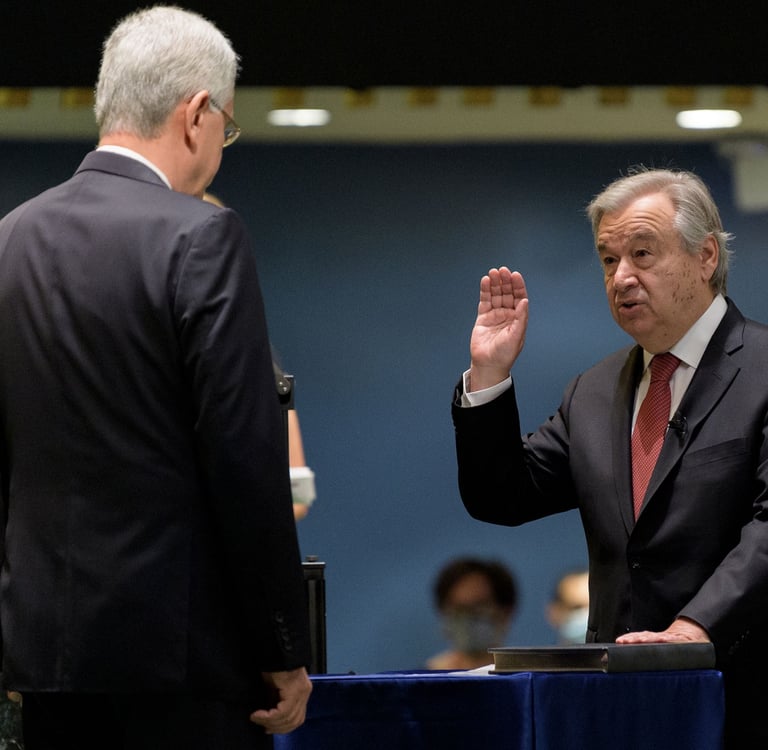
The campaign to succeed António Guterres as United Nations Secretary-General is shaping up to be much more than a political power play in New York. With the world feeling dangerously off-balance, this election is a rare opportunity to redefine global leadership. Trust in international institutions is fraying, yet we expect more from the UN than ever before.
As the race heats up in 2026, young people, especially within Africa and the global diaspora, need to pay close attention.
A Mandate Under Pressure
The UN is regularly criticized for being slow, bureaucratic, and paralysed by geopolitics. Still, it remains the only universal forum where every state sits at the same table. The Secretary-General is expected to be the world’s top diplomat, the guardian of the UN Charter, and an independent voice when great-power politics threatens global peace and human rights.
Today, that role is under unprecedented strain. Wars, climate shocks, economic inequality, and digital disruption are colliding all at once. The formal selection process began in late 2025, ahead of Guterres’s term ending on 31 December 2026. Whoever takes office on 1 January 2027 will step into a system in desperate need of renewal, but one still rich with possibility.
The Contenders (So Far)
The field is still taking shape, but several distinct profiles have emerged through official nominations and public declarations:
Other names frequently floating around diplomatic circles include Nigeria’s Amina Mohammed and Barbados’s Mia Mottley. What unites the strongest candidacies is a promise to restore basic trust: in human rights, in peacekeeping, in climate action, and in a rules-based order that doesn't just cater to the powerful.
Breaking the Mold: A First Woman, or a Third African?
In its 80-year history, the UN has never had a female Secretary-General. Many member states are now explicitly demanding change. A 2025 letter from the presidents of the General Assembly and the Security Council urged governments to prioritize gender parity in their nominations. With several prominent women in the running, this is the closest the UN has ever come to breaking its highest glass ceiling.
At the same time, regional equity is back in the spotlight. Africa has produced two Secretaries-General, Boutros Boutros-Ghali (Egypt) and Kofi Annan (Ghana), but the last two UN chiefs have come from Europe and Asia. The African Union-backed nomination of Macky Sall has sparked a fierce debate over whether now the moment for a third African leader is; someone who can speak credibly about reforming global governance from the perspective of the Global South.
For many observers, a woman or an African leader (or both) at the helm wouldn't just be symbolic. It would signal a genuine willingness to rethink how multilateral power is exercised.
The View from Ndola: Why This Matters to Africa
For those of us from Ndola, Zambia, the UN Secretary-Generalship isn't just distant diplomacy, it is part of our physical landscape and our local history.
Dag Hammarskjöld, the second UN Secretary-General, died in a plane crash near Ndola on 18 September 1961 while attempting to negotiate a ceasefire during the Congo crisis. The memorial that stands there today is a quiet, permanent reminder that global decisions are not confined to the halls of New York or Geneva; they touch African skies and African soil.
Growing up in the shadow of that history shapes how you view the office. It is a role that demands courage in the face of immense pressure, a willingness to take personal risks for peace, and an unflinching commitment to the dignity of people caught in conflict. As Africa navigates a wave of complex challenges, from coups and climate stress to crushing debt and youth unemployment, the next Secretary-General’s stance on our continent will be felt on the streets of Ndola, Lusaka, Dakar, and Lagos.
Asking the Hard Questions
From the vantage point of the African Diaspora Youth Hub (ADYH), this race raises urgent questions for the Security Council members who will ultimately make the call:
· Will they choose a leader who treats young people as vital partners in peacebuilding and climate action, rather than just a demographic to name-drop in speeches?
· Will the next chief push for meaningful Security Council reform, ensuring a stronger African voice and real accountability to the Global South?
· How will they defend human rights and civic space at a time when activists and ordinary citizens face severe repression, both online and offline?
· Are they prepared to stand up to powerful states, whether in the North or the South, when international law is blatantly broken?
When the international system fails, it is almost always young people who pay the price with their futures.
Your Move: Watch, Question, Engage
Public hearings and candidate dialogues will be webcast globally, offering a rare window into the minds of the people competing for the world’s top diplomatic job.
Young people have the tools to unpack these debates, translate UN jargon into plain language, and hold these candidates to account. The next Secretary-General will inherit a world in disarray, but they will also inherit a generation that is more connected, informed, and globally minded than any before it. If we watch this race with clear eyes and a demanding spirit, we can help push for a UN that is not merely preserved but radically transformed.
Sources:
United Nations – “Selection and Appointment of the Next Secretary‑General” https://www.un.org/en/sg-selection-and-appointment
UN Information Service Vienna – “Selection and Appointment of the next United Nations Secretary‑General”
https://unis.unvienna.org/unis/topics/related/2026/selection-next-secretary-general
Reuters – “How will the next UN chief be chosen and who wants the job?” https://www.reuters.com/world/how-will-next-un-chief-be-chosen-who-wants-job-2026-03-13/
1 for 8 Billion – “1 for 8 Billion’s ultimate guide to the Secretary‑General selection process” https://1for8billion.org/news/2025/11/26/1-for-8-billions-ultimate-guide-to-the-secretary-general-selection-process
NYU Center on International Cooperation – “Selecting the Next UN Secretary‑General: The Ultimate Test for Multilateralism”
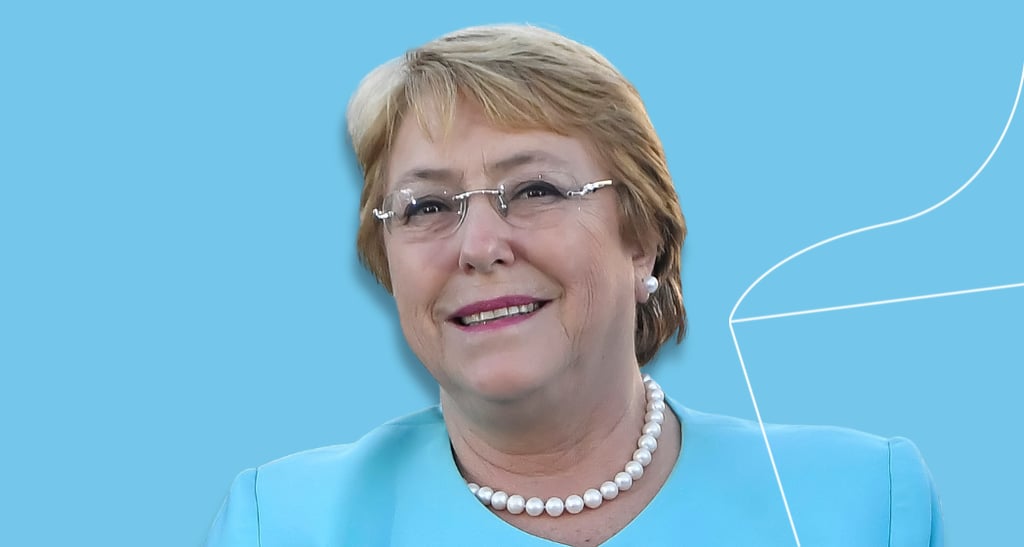
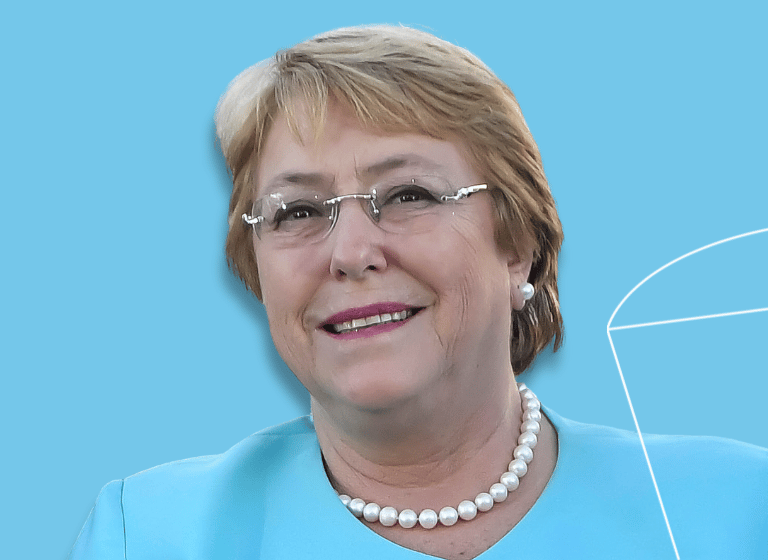
Michelle Bachelet (Chile): The two-time president of Chile and former UN High Commissioner for Human Rights brings immense moral authority on gender equality and a track record of governing in highly polarized environments.
Rebeca Grynspan (Costa Rica): The head of UN Trade and Development (UNCTAD) is deeply respected across the Global South for her work on debt, inequality, and sustainable development.
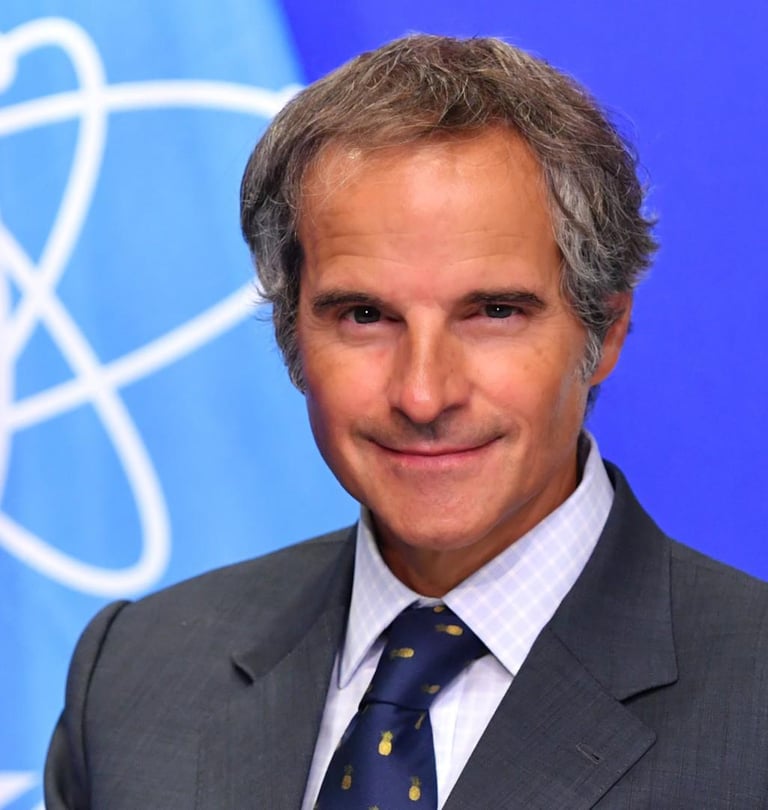
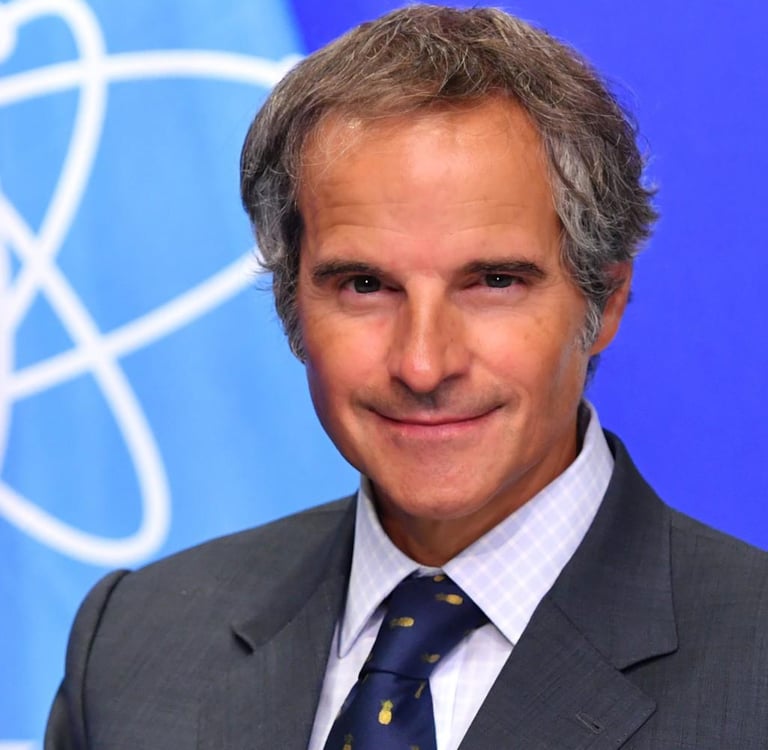
Rafael Mariano Grossi (Argentina): As Director General of the International Atomic Energy Agency, he has built a reputation for calm crisis management around nuclear safety, representing a technocratic, problem-solving approach to diplomacy.
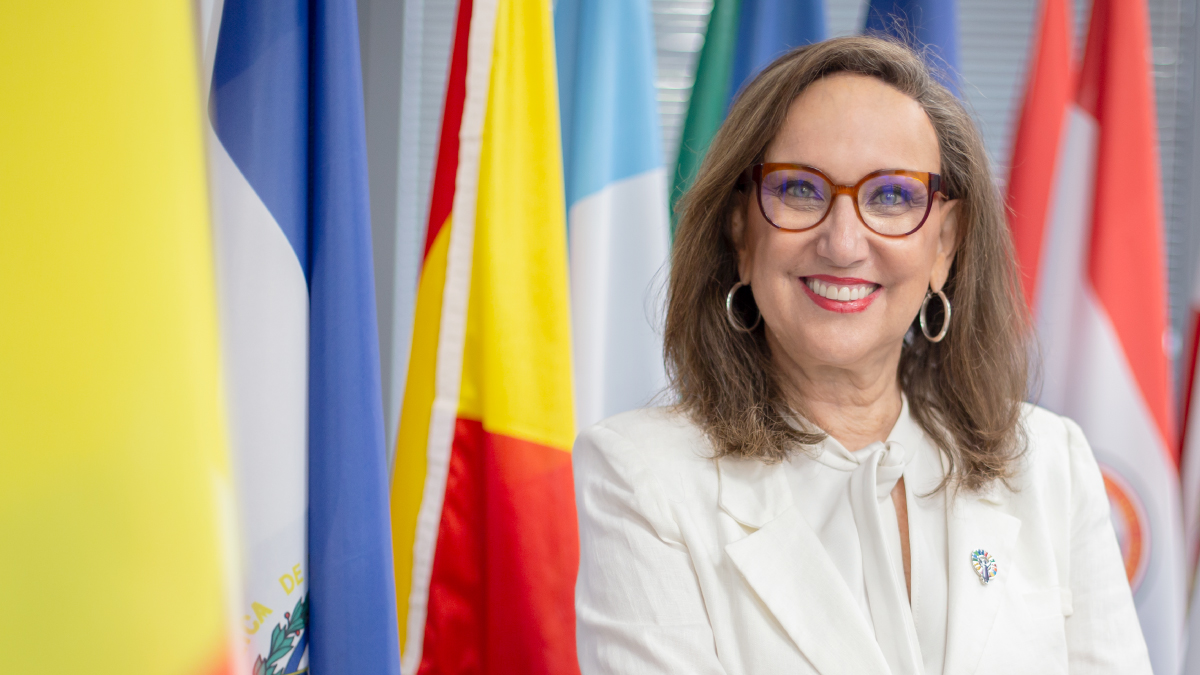
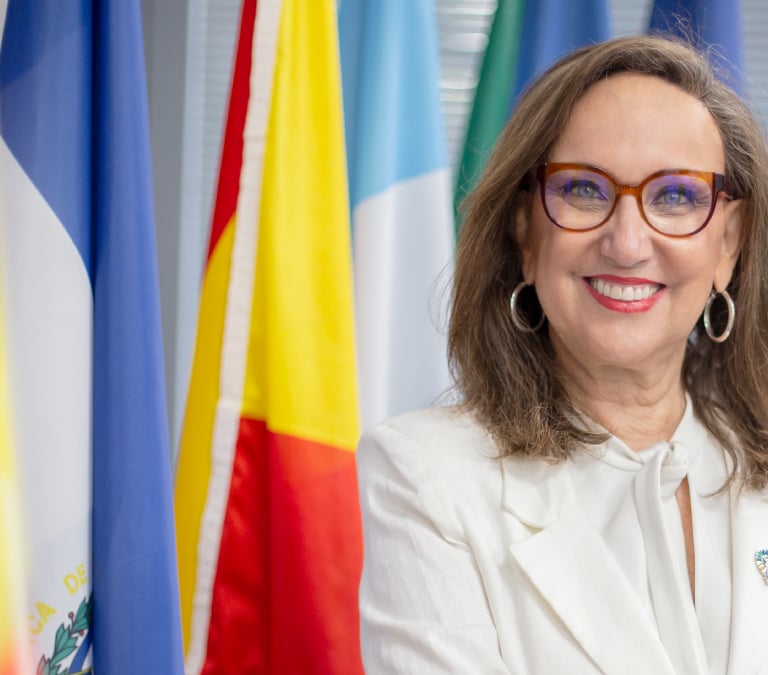
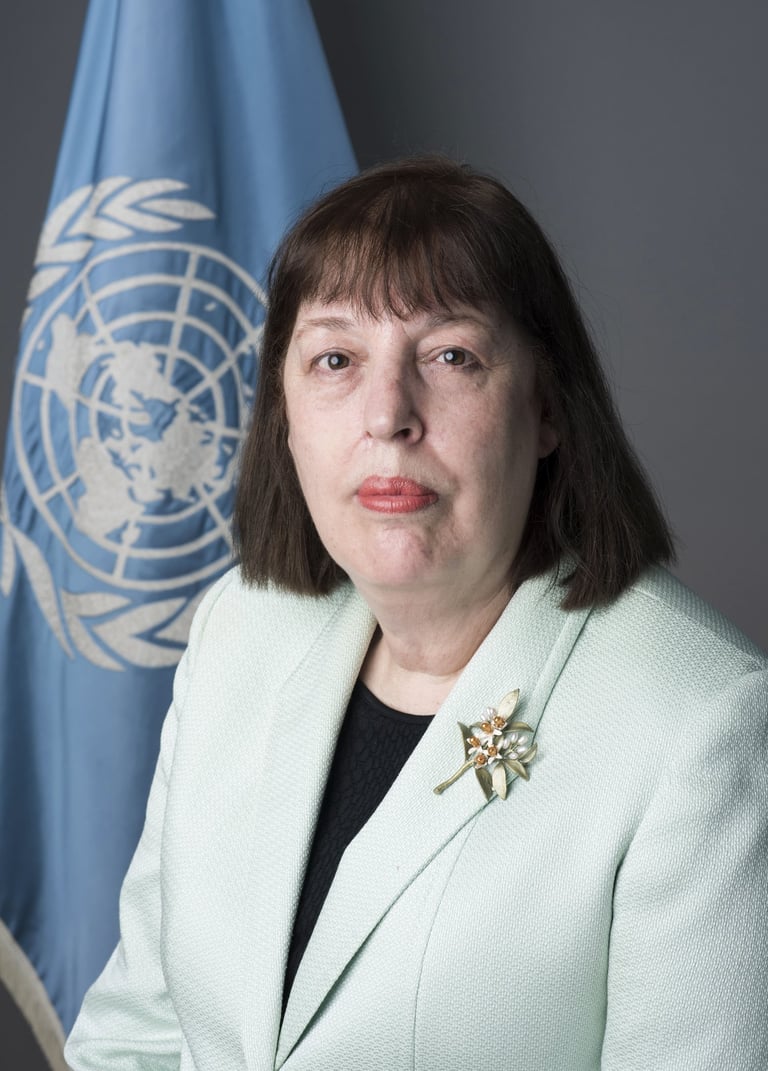
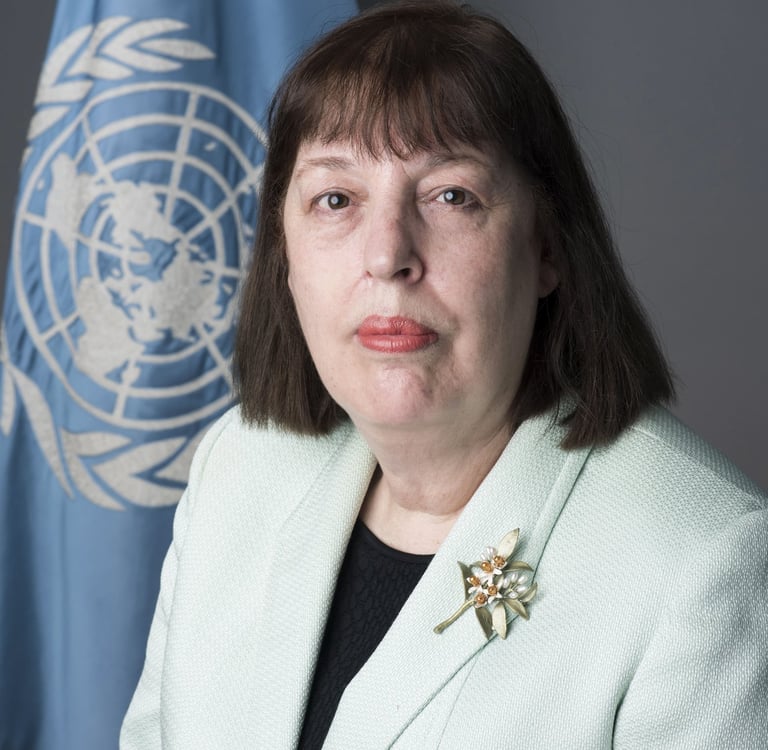
Virginia Gamba (Argentina): The current UN Special Representative for Children and Armed Conflict has a long, grounded background in disarmament and atrocity prevention.
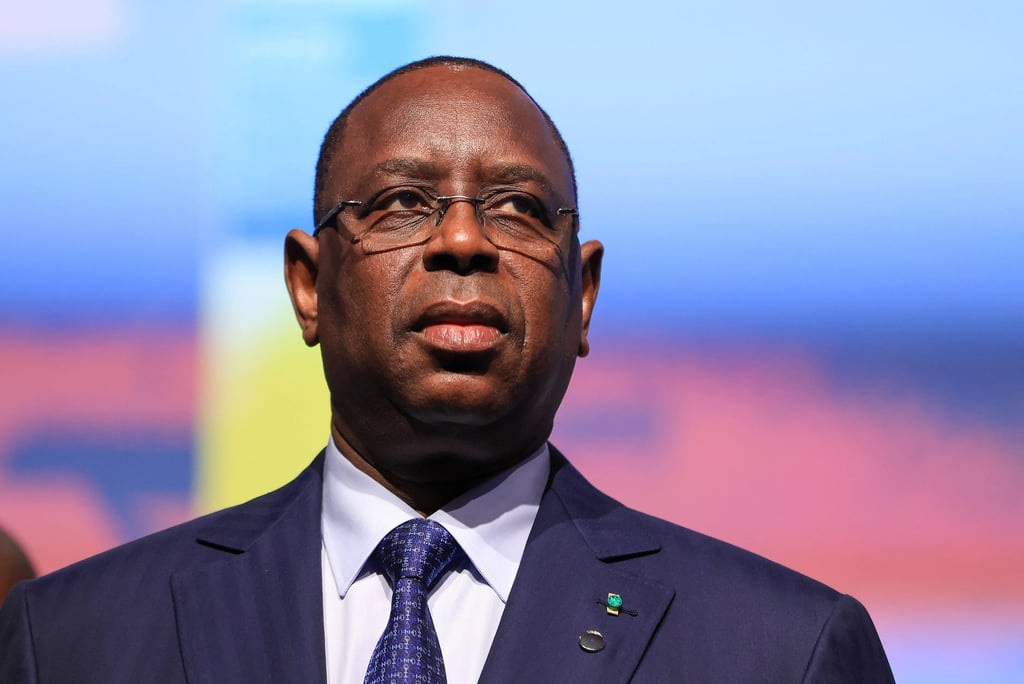
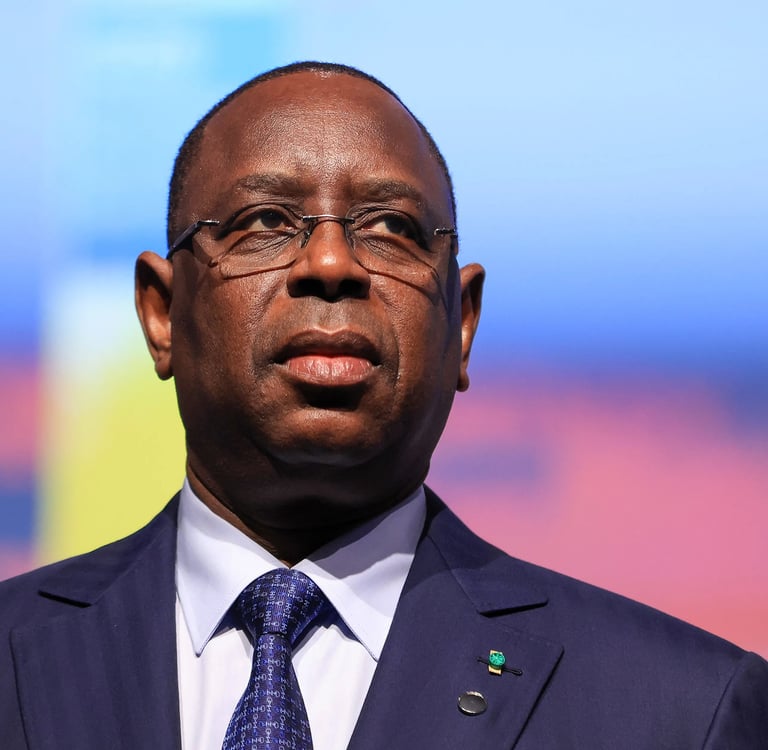
Macky Sall (Senegal): The former Senegalese president, nominated through an African Union-linked process, brings significant experience navigating the complex peace and security debates of West Africa and the Sahel.
Stay Connected
Contact
African Diaspora Youth Hub
Fiscally Sponsored by Ghana Diaspora Public Affairs Collective (GHPAC)
1629 K ST NW SUITE 300WASHINGTON DC 20006
© 2025. All rights reserved.