
If Young People Are the Majority, Why Do So Many Feel Absent From African Democracy?
Across Africa, young people make up the largest share of the population. They are energetic, expressive, and deeply engaged in conversations about the future—online and offline. Yet when it comes to formal political participation, many feel distant from the systems meant to represent them. If elections are happening, why do so many young people still feel absent from the outcomes?
Adeife Adeyeye
4/20/20263 min read
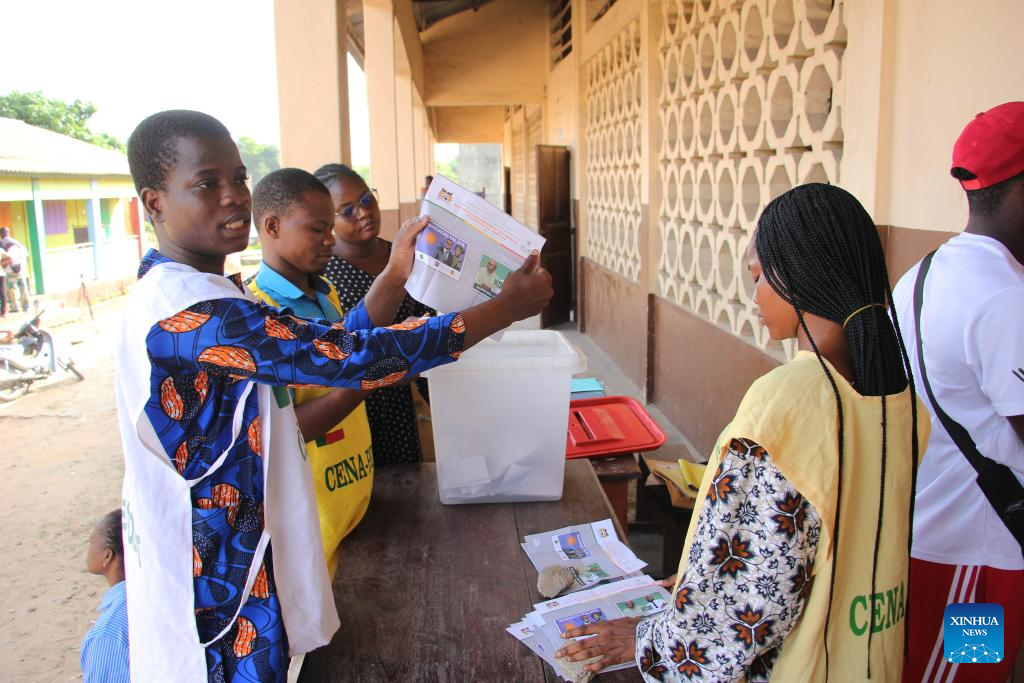
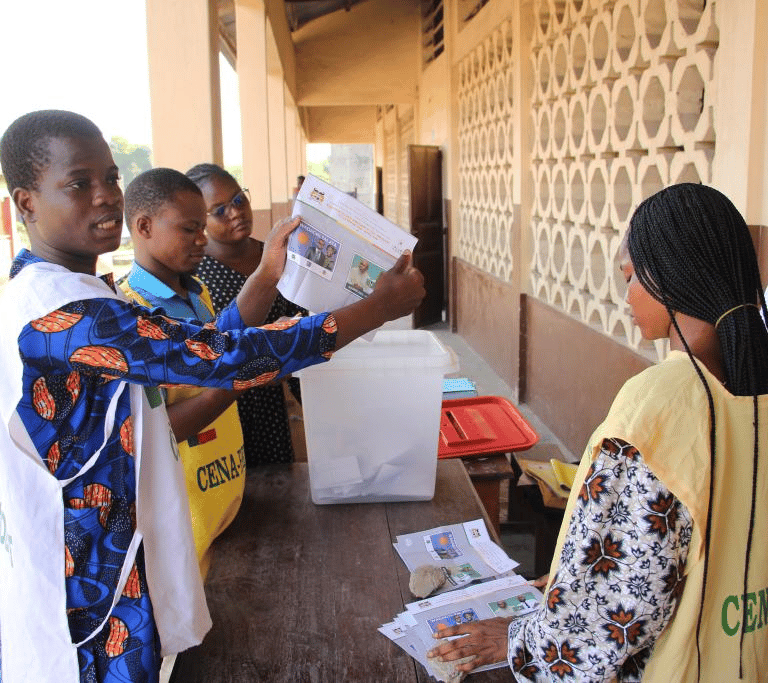
Across Africa, young people make up the largest share of the population.
They are energetic, expressive, and deeply engaged in conversations about the future—online and offline. Yet when it comes to formal political participation, many feel distant from the systems meant to represent them.
Benin’s recent presidential election brings this tension into focus.
Reporting by The Guardian noted the election took place amid concerns about limited opposition participation, restricted civic space, and reduced political competition. The subsequent report by Reuters, confirming the ruling party’s expected victory after the opposition conceded defeat, amplified critics' questions about how inclusive and representative the process truly was.
Together, these developments raise a deeper question: If elections are happening, why do so many young people still feel absent from the outcomes?
Beyond Voting: The Question of Participation
Elections are often seen as the foundation of democracy. But participation is not just about casting a vote—it is about having meaningful access to the political process.
In some cases, barriers can exist long before election day, including strict candidate requirements, a limited opposition presence, restricted political space, and a lack of trust in institutions.
When these factors combine, participation can begin to feel limited, even if voting itself is technically available.
The Gap Between Registration and Turnout
Across many African countries, large numbers of young people register to vote, but fewer show up on election day.
Several factors can influence this gap:
disillusionment with political systems
feeling that votes may not lead to real change
logistical challenges, such as access to polling units
Some may fail to fully reflect confidence in the fairness of the process
In some cases, young people are willing to participate—but are not convinced their participation will matter.
The Policy Challenge: Inclusion vs Access
At the center of this issue is a policy challenge:
How do political systems move beyond allowing participation to actually enabling it?
It is one thing to hold elections; it is another to ensure they are inclusive, competitive, transparent, and accessible.
Policies around elections—such as candidate eligibility rules, media freedom, and civic space—play a major role in shaping how meaningful participation can be.
Without strong safeguards, elections may fail to fully reflect the voices of the population, especially young people.
Why Young People Feel Disconnected
Young people are not disengaged; rather, they are often deeply aware, discussing politics online, organizing around social issues, and following global and local events. However, many operate outside traditional political systems.
This disconnect can stem from feeling underrepresented, a lack of trust in leadership, limited opportunities to influence decisions, and barriers to entry into formal politics.
Over time, this can lead to a quiet withdrawal—not from interest, but from belief in impact.
Why This Matters for African Diaspora Youth
For African diaspora youth, this issue is not distant.
Many remain connected to the continent through family ties, cultural identity, long-term plans to return, invest, or contribute.
The nature of political participation in countries like Benin shapes governance, economic stability, and future opportunities. Crucially, it also influences how diaspora youth engage:
Do they feel represented?
Do they see systems they can contribute to?
Do they trust the direction of leadership?
Understanding these dynamics helps diaspora youth stay informed and intentional about their connection to home.
Benin’s situation also reflects wider conversations across parts of Africa about youth participation and democratic inclusion.
What Needs to Change?
Bridging the gap between young people and political systems will require more than encouragement to vote. It will require:
Stronger civic education to build awareness and confidence
More inclusive policies that lower barriers to participation
Transparent electoral processes that build trust
Space for youth voices in leadership and decision-making
Participation becomes meaningful when people believe their voices matter.
Democracy is not just about the presence of elections. It is about the presence of people within those elections.
For many young Africans—and those in the diaspora—the question is no longer whether they can participate. It is whether they are truly included.
Because being counted is one thing. Being heard is something else entirely.
Source: https://www.theguardian.com/world/2026/apr/12/benin-presidential-election
Stay Connected
Contact
African Diaspora Youth Hub
Fiscally Sponsored by Ghana Diaspora Public Affairs Collective (GHPAC)
1629 K ST NW SUITE 300WASHINGTON DC 20006
© 2025. All rights reserved.