
AI Surveillance Is Expanding Across African Cities — What Does It Mean for Freedom?
As governments adopt facial recognition and tracking technologies, questions grow about privacy, policy, and the future of civic expression for African youth. On the surface, it sounds like progress. But beneath that progress lies a more complex conversation.
Adeife Adeyeye
3/23/20263 min read
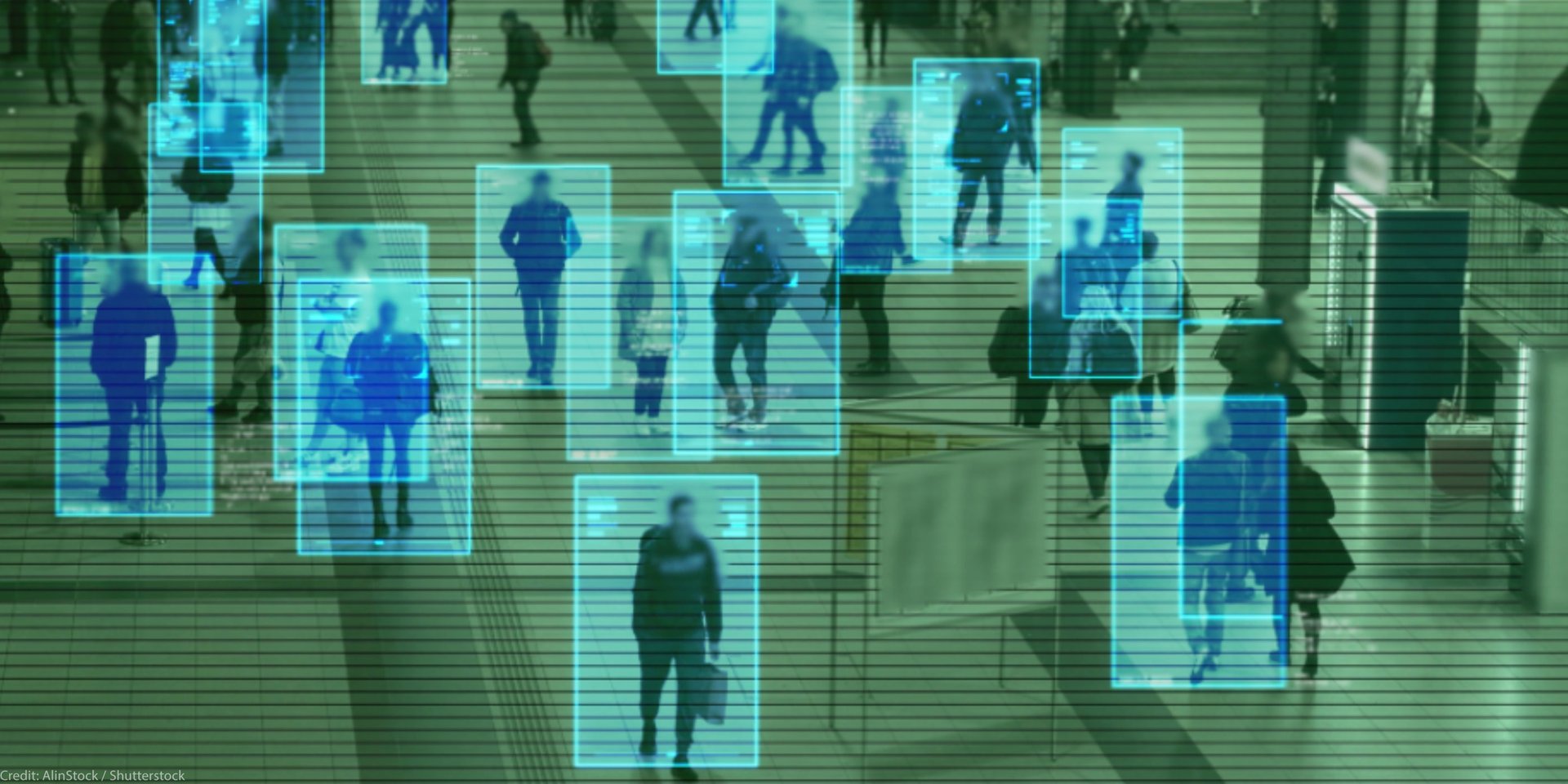
As governments adopt facial recognition and tracking technologies, questions grow about privacy, policy, and the future of civic expression for African youth.
Across several African cities today, something new is quietly taking shape.
Cameras that don’t just record, but recognize faces.
Systems that don’t just monitor traffic, but track movement.
Technology that promises safety, but raises deeper questions about freedom.
Recent reporting highlights that AI-powered surveillance systems are being deployed across multiple African countries, often introduced as part of “smart city” and public safety initiatives. These systems include facial recognition tools, biometric databases, and vehicle-tracking technologies designed to improve security and urban management.
On the surface, it sounds like progress. But beneath that progress lies a more complex conversation.
What Is Actually Happening?
Governments across parts of Africa are investing in advanced surveillance technologies, many of them developed and supplied by foreign tech companies.
These systems are being used to monitor public spaces, track vehicles and movement,support law enforcement operations,improve urban planning and security.
The goal is clear: to make cities safer, more efficient, and more connected.
But experts and rights groups are raising concerns—not just about how these tools are being used, but how they are being regulated.
In many cases, clear laws around data protection, privacy, and oversight remain limited or underdeveloped.
The Policy Question: Where Does Security End and Privacy Begin?
At the heart of this issue is a simple but critical question:
How much surveillance is too much?
AI surveillance is not just about technology—it is about governance, data control, civil liberties and power. Without strong policies in place, these systems can easily be used beyond their original purpose.
For example:
– tracking activists or protesters
– monitoring political opposition
– collecting personal data without consent
This is why experts warn that surveillance tools, if left unchecked, can shift from public safety tools to tools of control.
Why This Matters for African Youth
Young people are often at the center of civic movements, social change and digital expression.
They organize. They speak out. They mobilize.
Now imagine doing all of that in an environment where your movements can be tracked, your identity can be scanned, your activities can be monitored in real time….
It changes how freely people can express themselves.
Even the possibility of being watched can create what experts call a “chilling effect”—where people begin to hold back, not because they are told to, but because they feel observed.
For diaspora youth, this is not a distant issue. Many are:
– connected to family and communities on the continent
– considering returning, investing, or building careers in Africa
– actively engaged in conversations about governance and development
The policies being shaped today will define the kind of societies they engage with tomorrow.
This is about the future of digital rights in Africa. How freely young people can participate in civic life. The balance between innovation and freedom.
It also reflects a broader global trend.
Surveillance technologies are expanding worldwide but the strength of policy safeguards is what determines whether they protect people or restrict them.
This is a developing issue, and there are key things to pay attention to:
– Are governments introducing data protection and privacy laws?
– Is there transparency about how surveillance data is used?
– Are citizens informed about where and how these systems operate?
– Are there independent bodies overseeing their use?
The answers to these questions will determine whether surveillance becomes a tool for safety or a tool that limits freedom
Final Thought
AI surveillance in African cities is not simply about cameras or technology.
It is about power, policy, and the future of freedom. For African youth—and those in the diaspora—this moment matters. Because the systems being built today will shape: how people live, how they express themselves and how freely they can participate in the societies they call home.
And the real question is not whether technology should advance. It is whether policy will evolve fast enough to protect the people it is meant to serve.
Stay Connected
Contact
African Diaspora Youth Hub
Fiscally Sponsored by Ghana Diaspora Public Affairs Collective (GHPAC)
1629 K ST NW SUITE 300WASHINGTON DC 20006
© 2025. All rights reserved.