Should HIV Treatment Support Be Tied To Access To Africa’s Critical Minerals?
Across parts of Africa, HIV aid treatment has saved millions of lives. But a recent development is raising an important and uncomfortable question: Should lifesaving health aid be linked to access to a country’s natural resources?
Adeyeye Adeife
4/9/20263 min read
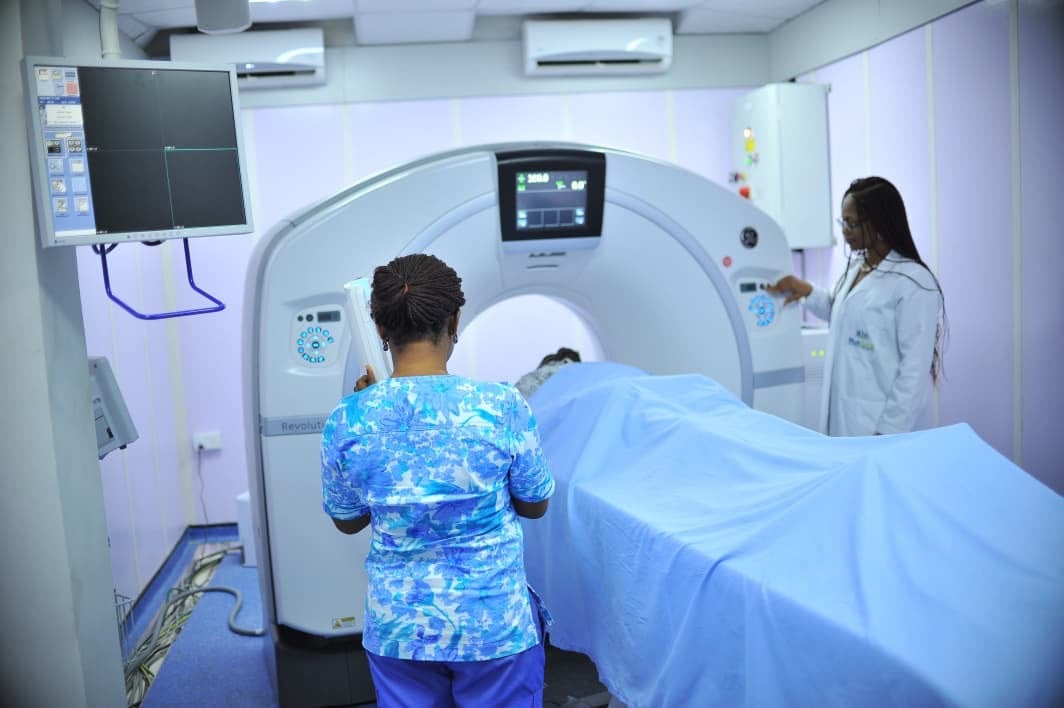
Across parts of Africa, HIV aid treatment has saved millions of lives.
For years, international support—especially from the United States—has helped fund treatment, strengthen health systems, and improve access to care. Programs like these are not just policies on paper. They are the difference between life and death for many families.
But a recent development is raising an important and uncomfortable question:
Should lifesaving health aid be linked to access to a country’s natural resources?
Reports indicate that the United States considered withholding parts of its HIV assistance to Zambia unless the country agreed to certain terms tied to access to critical minerals.
Zambia is rich in minerals such as copper and cobalt, resources that are increasingly important to global industries, especially in clean energy and technology.
At the same time, the country also relies on international partnerships to support its healthcare system, including HIV treatment programs.
This situation brings together two major issues: global health aid, economic, and geopolitical interests.
And it raises questions about how these two are connected.
At its core, this is a policy issue about how aid is used in international relations.
Countries often negotiate agreements based on mutual interests, such as trade deals, security partnerships, and development support. However, humanitarian aid, especially health aid, is usually seen differently.
It is expected to be needs-based, focused on saving lives, and separate from political or economic pressure.
When aid becomes linked to other negotiations, such as access to natural resources, it introduces a different dynamic.
And for countries like Zambia, this creates a difficult position. On one hand, they need investment and partnerships to develop their economies, and their natural resources are valuable on the global stage
On the other hand, their health systems still depend on international support, and millions of people rely on HIV programs for treatment and survival.
If aid is tied to conditions, governments may feel pressure to make decisions that prioritize external interests over long-term national strategy.
This is where questions of sovereignty come in.
Who decides how a country’s resources are used?
And under what conditions?
For many young Africans in the diaspora, this might not feel like something that affects them at first. But it is deeply connected to the future of the continent.
This story is not just about Zambia. It reflects a broader pattern where Africa’s natural resources are becoming more important globally, international powers are competing for access, and policy decisions are shaping how those relationships unfold.
For diaspora youth, this matters because it touches on:
1. The future of Africa’s development
How resources are negotiated today will affect economic growth, job opportunities, and infrastructure development
2. Health and human well-being
HIV aid programs are not abstract policies.
They support real people, families, communities, and future generations.
3. Power and global relationships
This situation highlights how global partnerships are often shaped by both cooperation and leverage.
Understanding this helps young people better engage with policy conversations, development debates, and the realities of international relations.
The Bigger Picture
This is part of a wider global trend.
As demand for critical minerals grows, especially for electric vehicles, renewable energy, and technology production, African countries are becoming even more central to global supply chains.
At the same time, foreign aid is increasingly being viewed through a strategic lens. This means the line between helping and negotiating is becoming less clear.
Final thoughts: This situation challenges a long-standing assumption that humanitarian aid exists separately from politics.
In reality, global systems are more interconnected than they appear. For youths and those in the diasporan understanding these dynamics is important because the decisions being made today will influence how Africa’s resources are managed, how its health systems are supported, and how its place in l the global system continues to evolve
This is not just about aid. It's about how value, power, and responsibility are negotiated in a changing world.
Sources
https://www.nytimes.com/2026/03/16/health/zambia-hiv-aid-minerals-trump.html?smid=nytcore-ios-share